The real cost of Автомобильное СТО: hidden expenses revealed
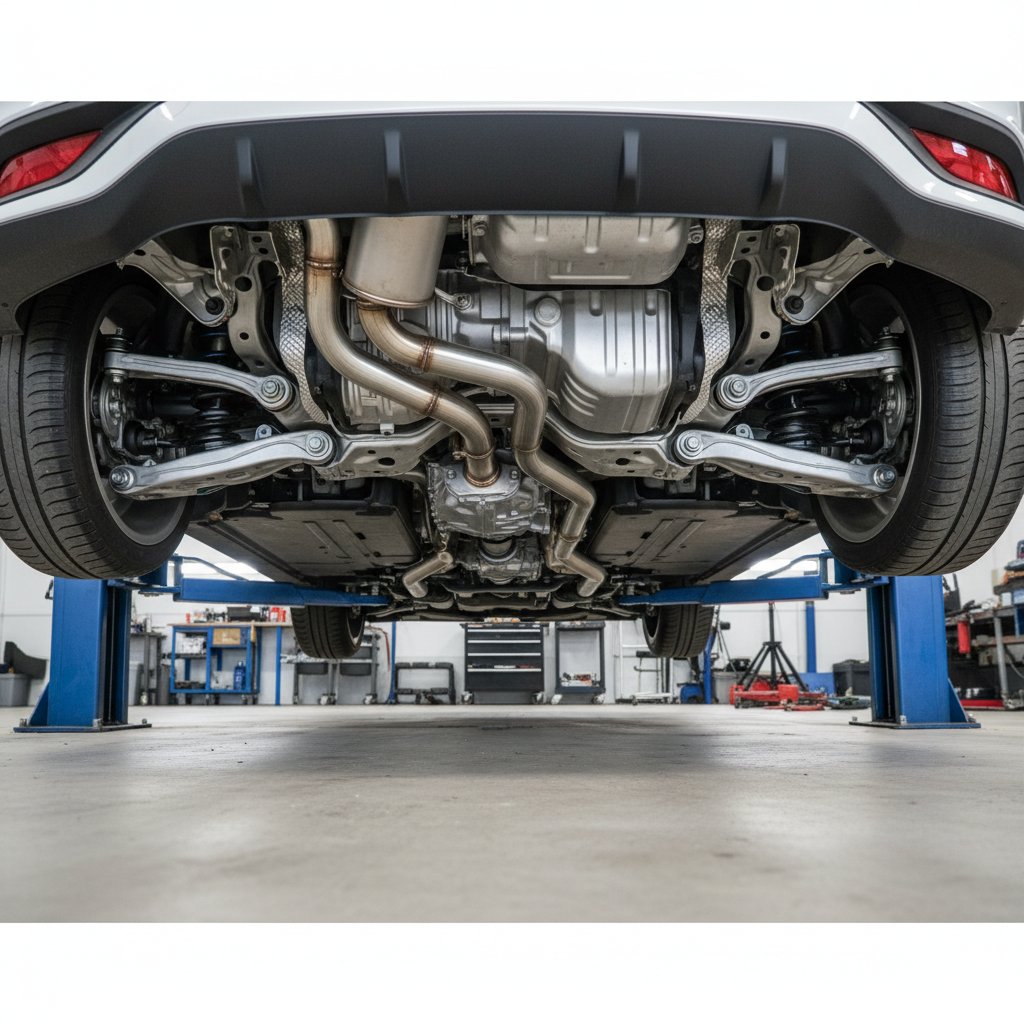
The $3,000 Surprise: When a Simple Oil Change Snowballs
Maria thought she was being responsible. Her dashboard light flickered on, so she drove her 2015 Honda Accord to a local auto service center for what should've been a routine oil change. Two hours later, she walked out with a bill for $2,847. The oil change? That was $79. Everything else? "Urgent repairs" she never saw coming.
Sound familiar? You're not alone.
Auto repair shops—or as they're known in Russian, Автомобильное СТО (Service Technical Maintenance stations)—operate in a gray zone where trust meets necessity. Most drivers understand the sticker price for basic services. What catches them off-guard are the hidden expenses that multiply faster than rabbits in spring.
The Anatomy of a Repair Bill: What They're Not Telling You
Here's the thing about automotive service centers: the advertised price is just the opening act. A recent consumer study found that 68% of customers paid at least 40% more than their initial quote. Let's crack open where that money actually goes.
Diagnostic Fees That Stick Around
Walk into most shops, and they'll hook your car up to a diagnostic computer. Seems reasonable, right? The problem starts when that $95-$150 diagnostic fee doesn't disappear even after you approve the repair. Some shops advertise "free diagnostics" but bury the cost in inflated parts pricing. You're paying either way—they've just moved the shell around.
The Parts Markup Game
Shops typically mark up parts between 30% and 100%. Sometimes more. That alternator the mechanic quoted at $450? It's probably a $180 part online. The justification? Warranty coverage, convenience, expertise. Fair enough. But here's where it gets murky: many service centers won't install customer-supplied parts, forcing you into their pricing structure whether you like it or not.
One mechanic I spoke with—let's call him Tom—admitted the quiet part out loud: "We make maybe 15% profit on labor. Parts? That's where we stay in business. A $60 air filter becomes $140 after markup. Customers see 'parts and labor' on one line and assume it's all reasonable."
Shop Supplies and Environmental Fees
Scan your next repair invoice carefully. You'll likely spot a line item called "shop supplies" or "environmental disposal fee"—usually 5-15% of your total bill. This covers rags, cleaning solvents, and waste oil disposal. Legitimate? Sure. Disclosed upfront? Rarely. These fees can add $30-$75 to a modest repair without warning.
The Upsell Cascade: How One Repair Becomes Five
Auto service centers have perfected the art of the cascade upsell. You come in for brake pads. They put your car on the lift and suddenly discover your rotors are "dangerously worn," your brake fluid is "contaminated," and oh, by the way, your cabin air filter looks like it survived a dust storm.
Are these legitimate concerns? Sometimes, yes. A 2022 investigation by automotive consumer advocates found that approximately 42% of recommended repairs were either unnecessary or could be safely postponed for 6-12 months. The pressure tactics vary—from genuine concern to barely-veiled fear-mongering about safety.
The average unnecessary repair costs drivers $250-$800 annually. Multiply that across millions of vehicles, and you're looking at a multi-billion dollar industry built partly on anxiety.
The Flat Rate Labor Trap
Most shops use "flat rate" labor guides that estimate how long a job should take. Sounds fair until you realize these times were set decades ago for simpler vehicles. That "2-hour" job listed in the manual? Your mechanic finished it in 45 minutes because modern tools and experience made it faster. You still pay for two hours at $120-$180 per hour.
The reverse happens too. Complex jobs on newer vehicles with cramped engine bays take longer than the manual suggests, but shops eat that cost to stay competitive. It's a system that works great for shops, less so for transparency.
What Actually Drives These Hidden Costs?
Before we villainize every service center, context matters. Operating a legitimate auto repair facility isn't cheap. Commercial insurance runs $8,000-$15,000 annually. Diagnostic equipment requires constant updates—that scan tool costs $5,000 and needs a $1,200 annual subscription. Trained technicians demand $25-$40 per hour, while shops charge customers $100-$180 to cover overhead, benefits, and building costs.
The shops playing it straight have thin margins. A 2023 industry report showed average net profit margins hovering around 12-15% for independent repair shops. They're not printing money—they're trying to survive against dealerships and chain operations with deeper pockets.
But survival doesn't excuse deception. The problem isn't charging enough to stay profitable. It's the lack of transparency that turns routine maintenance into financial ambushes.
Key Takeaways: Protecting Yourself
- Get itemized estimates before any work begins—including diagnostic fees, shop supplies, and environmental charges
- Ask for old parts back when replacements happen; legitimate shops have no problem with this
- Verify urgent repairs with a second opinion; truly dangerous issues will show consistent results
- Research parts pricing online before approving work; a 40-50% markup is industry standard, anything beyond deserves questions
- Build a relationship with one trusted mechanic rather than shop-hopping; they're less likely to oversell repeat customers
The Real Bottom Line
That oil change Maria went in for? Turned out two of the five "urgent" repairs could wait another year. One wasn't necessary at all—her cabin air filter had been replaced three months earlier at the dealership. She paid for convenience and lack of knowledge.
The actual cost of automotive service isn't just what's on the invoice. It's the time spent questioning whether you're being honest with, the stress of unexpected bills, and the nagging feeling that someone just picked your pocket while you thanked them for it.
Smart car owners don't avoid service centers—they just go in with eyes wide open and questions ready. Your mechanic works for you, not the other way around. The moment you forget that is the moment those hidden expenses start multiplying.